
Keeping your garden healthy means staying one step ahead of common pests. Many common garden insects can cause serious damage if left untreated, particularly during warmer months when they reproduce quickly. Early identification and prompt action are the most effective ways to protect your plants.
Here’s a practical guide to some of the most common garden pests and how to control them effectively.
Vine Weevils
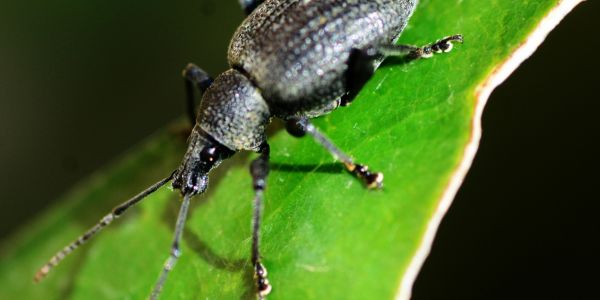
Vine weevils are one of the most common and destructive pests for gardeners, particularly in containers and pots. Adult vine weevils are nocturnal and feed on leaves, creating distinctive U-shaped notches around the edges. While this damage is unsightly, the real danger lies beneath the surface. The larvae live in the compost and feed on plant roots, often causing sudden wilting, poor growth, or unexplained dieback. In severe cases, plants can collapse and die.
How to control Vine Weevils
Adult Removal
- Remove adults by hand as soon as you spot them
- In greenhouses, check under pots, trays, and plant benches where adults hide during the day
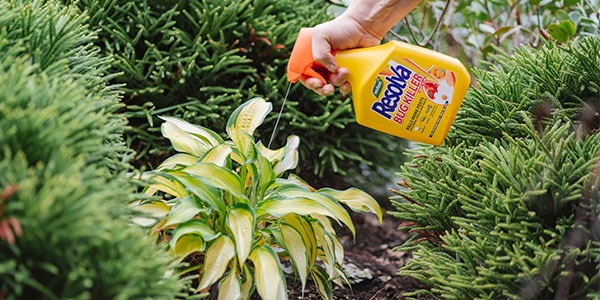
- Spray the infected plant with Resolva Bug Killer Ready To Use, ensuring both the top and bottom of the leaves are fully wetted.
Larvae Removal
- If plants suddenly wilt, tip them out of their pots and inspect the roots
- Shake or wash away compost to expose the root system
- Remove any visible larvae by hand
- Repot the plant using fresh compost to prevent reinfestation
Box Tree Caterpillars
Box tree caterpillars can cause devastating damage to box plants in a very short time. The adult moth lays flat, white eggs on box foliage. Once hatched, the caterpillars feed voraciously on leaves, often stripping plants bare.
Look out for:
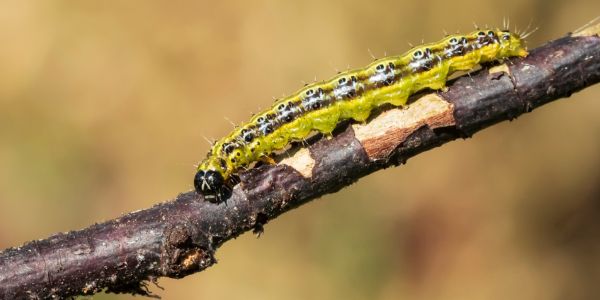
- Green-yellow caterpillars with black heads
- Webbing within the plant where pupae may be hidden
- Rapid defoliation or dieback
How to control Box Tree Caterpillars
At the first sign of activity:
- Spray thoroughly with Resolva Bug Killer
- Ensure both upper and lower leaf surfaces are treated
- In heavy infestations, repeat applications may be required to regain control and protect new growth.
Woolly Aphids
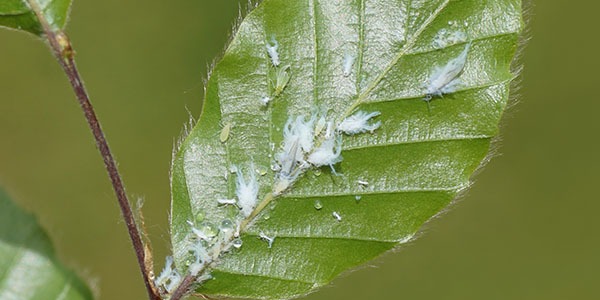
Another common garden pest are Wooly Aphids. These are sap-sucking insects that can quickly build into large infestations. These aphids produce a white, waxy coating that looks like small tufts of cotton wool.
They cluster along branches and stems, particularly on:
- Apple
- Cotoneaster
- Pyracantha
Over time, feeding damage can weaken plants and reduce vigour.
How to control Woolly Aphids
The protective “wool” makes this pest more challenging to treat.
- Small numbers can be removed by hand by squashing the wool and insect together
- For effective control, spray affected areas with Resolva Bug Killer
- Make sure the spray reaches branch surfaces as well as leaf undersides
- Several applications may be needed to eliminate the infestation fully
Glasshouse Thrips
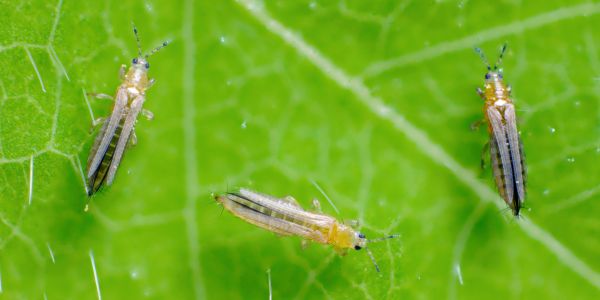
Glasshouse thrips are tiny insects that cause cosmetic and structural damage to plants, particularly under glass.
Signs of infestation include:
- Fine silvery mottling on both sides of the leaves
- Small brown or black specks on foliage
- Distorted shoot tips and flower buds
Thrips reproduce rapidly, laying eggs on young leaves or inside buds, so populations can escalate quickly.
How to control Glasshouse Thrips
Early detection is crucial for successful control.
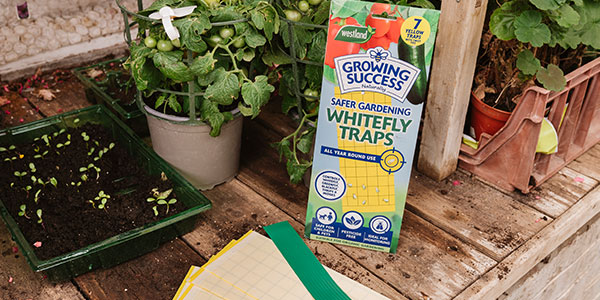
- Use Growing Success Whitefly Traps placed around plants to monitor and reduce adult numbers
- Sticky traps help identify outbreaks early and limit population growth
- Severe infestations can be difficult to manage, so regular inspection is key.
One step ahead
Regular plant checks, early intervention, and the use of the right control methods can make all the difference when dealing with garden pests. Monitoring plants closely, especially those grown in containers or under cover, helps prevent minor problems from becoming major ones.
Resolva Bug Killer Ready To Use contains Lambda-Cyhalothrin. Use plant protection products safely. Always read the label and product information before use