
Whatever you grow in your garden, chances are you’ve come across aphids. These prolific pests are commonly known as greenfly and blackfly, but there are many different species, including woolly aphids, root aphids, and cabbage aphids.
If you’re wondering how to get rid of aphids, it’s important to understand how they live, the damage they cause, and the most effective ways to prevent and control infestations.
Whatever you grow in your garden, chances are you’ve come across aphids. These prolific pests are commonly known as greenfly and blackfly, but there are many different species, including woolly aphids, root aphids, and cabbage aphids.
If you’re wondering how to get rid of aphids, it’s important to understand how they live, the damage they cause, and the most effective ways to prevent and control infestations.
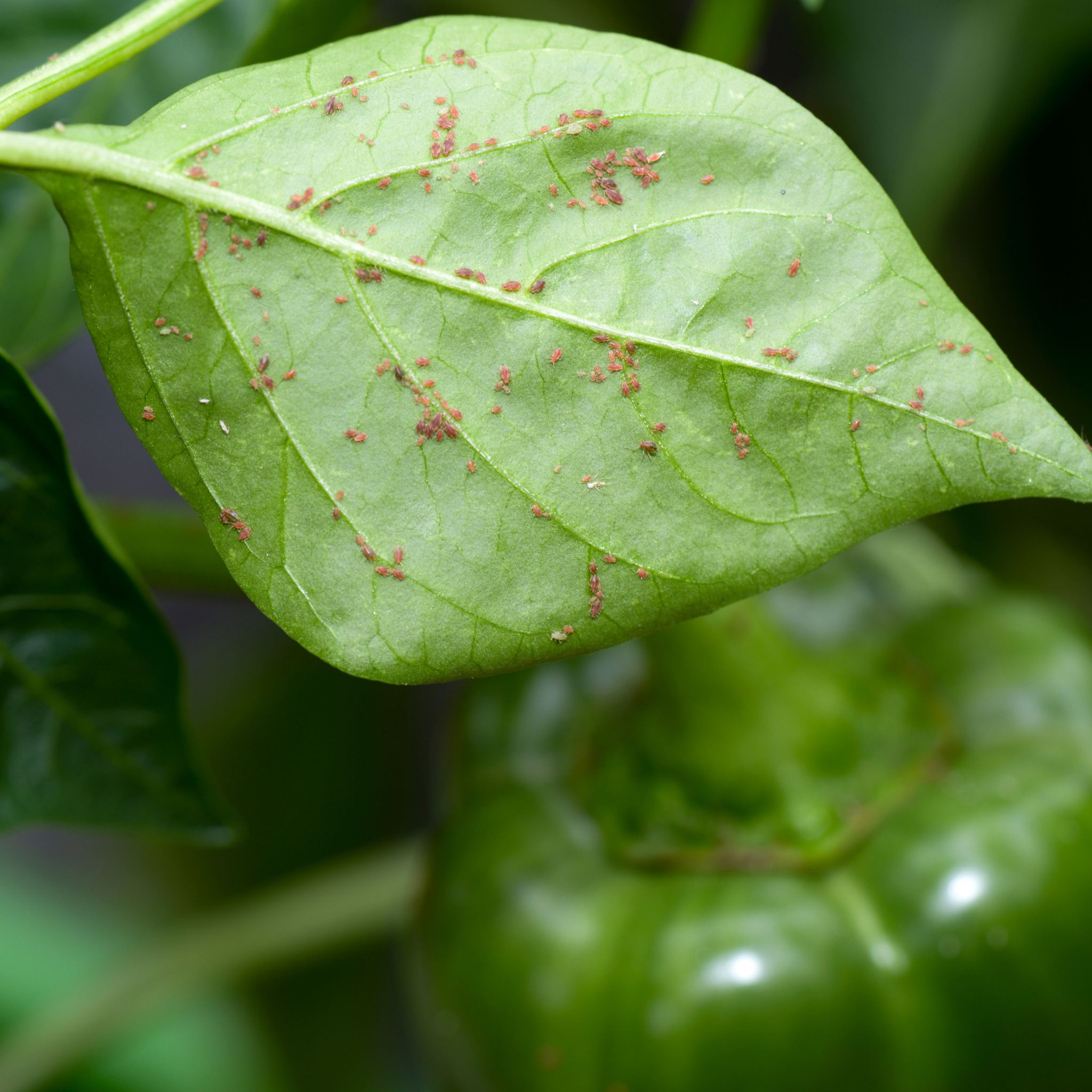
Symptoms
Aphids damage plants by feeding on sap from soft, young growth. Look out for clusters of small insects covering new buds, shoots, and leaves, particularly on roses and other spring growth. Infested plants may show signs of stunted growth, reduced vigour, and weakened health. In severe cases, heavy infestations can lead to plant death.
You may also notice black, sooty mould developing on leaves. Aphids produce a sticky substance called honeydew, which coats plant surfaces and encourages the growth of these moulds. As the mould spreads, it can reduce the amount of light reaching the leaves, limiting photosynthesis and affecting plant health.
Aphids can also spread plant viruses and diseases between plants, making them particularly problematic for crops such as tomatoes, potatoes, cucumbers, peas, courgettes, and squash.
Prevention
There are several ways to reduce the risk of aphid infestations:
- Choose the right compost and growing conditions to help plants remain healthy and resilient.
- Encourage natural predators by creating a wildlife-friendly garden. Beneficial insects such as ladybirds, lacewings, hoverflies, and earwigs feed on aphids. Plants such as angelica, dill, fennel, daisies, asters, and sunflowers can help attract them.
- Check susceptible plants regularly and remove any aphids you find by hand. Prune and dispose of heavily infested shoots and leaves.
- For larger infestations, use a strong jet of water from a hose to dislodge aphids from plants. This is best done early in the day so foliage can dry quickly, reducing the risk of fungal diseases.
Control – How to get rid of aphids
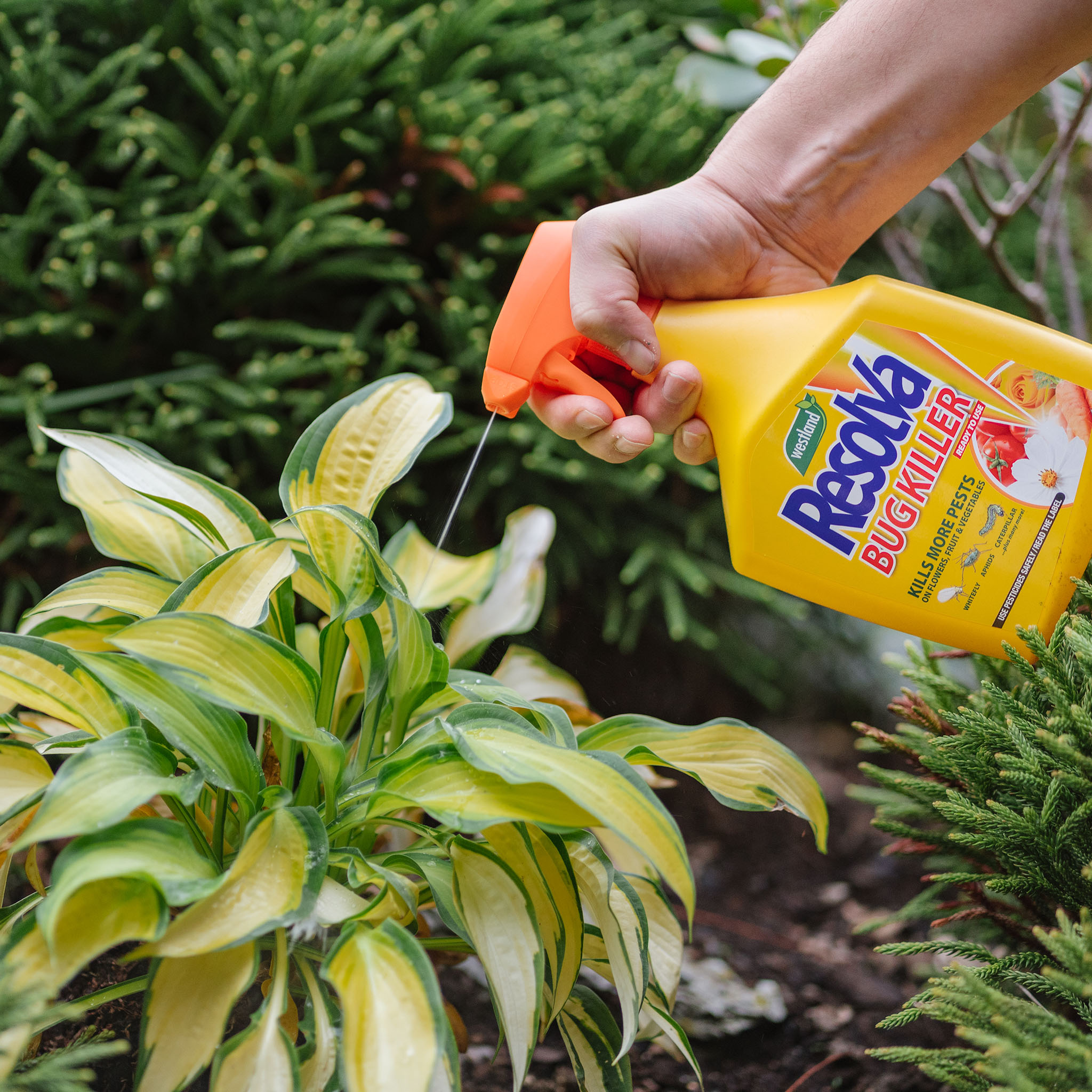
For effective control of aphids and other sucking and chewing insects, use Resolva Bug Killer. Suitable for use on ornamental plants as well as many edible crops, it can be used in both the garden and greenhouse to help keep pest populations under control.