
How to Grow and Care for Tomatoes (Plus How to Protect Them from Pests and Disease)
Tomatoes are one of the most popular crops for home growers, and for good reason. They’re productive, versatile, and incredibly rewarding. With the right care, you can grow strong tomato plants that produce a heavy crop of flavour-packed fruit throughout the summer.
This complete guide explains how to grow tomatoes from seed or young plants, plus how to care for tomatoes, feed them correctly, and protect them from common pests and diseases.
How to Grow Tomatoes
Tomatoes can be grown from seed indoors or purchased as young plants ready for potting on. Either way, success starts with choosing the right variety and growing conditions.
Choosing tomato varieties
There are two main types of tomato plants:
- Cordon (indeterminate) tomatoes – grow tall and need training and support. Ideal for greenhouses and productive long harvests.
- Bush (determinate) tomatoes – compact plants that grow well in containers, hanging baskets, or small gardens.
Choose varieties based on your space, growing conditions, and how you plan to use your tomatoes. Unwins Seeds have a variety to choose from, from chunky beefsteak tomatoes to tiny cocktail tomatoes.
When and Where to Plant Tomatoes
Tomatoes need warmth and sunlight to thrive.
Best growing conditions:
- A sunny, sheltered position
- A greenhouse for earlier and more reliable crops
- Large containers, grow bags, or fertile garden soil
When to plant tomatoes
Plant out young tomato plants once the risk of frost has passed and temperatures consistently stay warm, typically late spring.
How to Plant Tomato Plants
For strong growth and healthy root development:
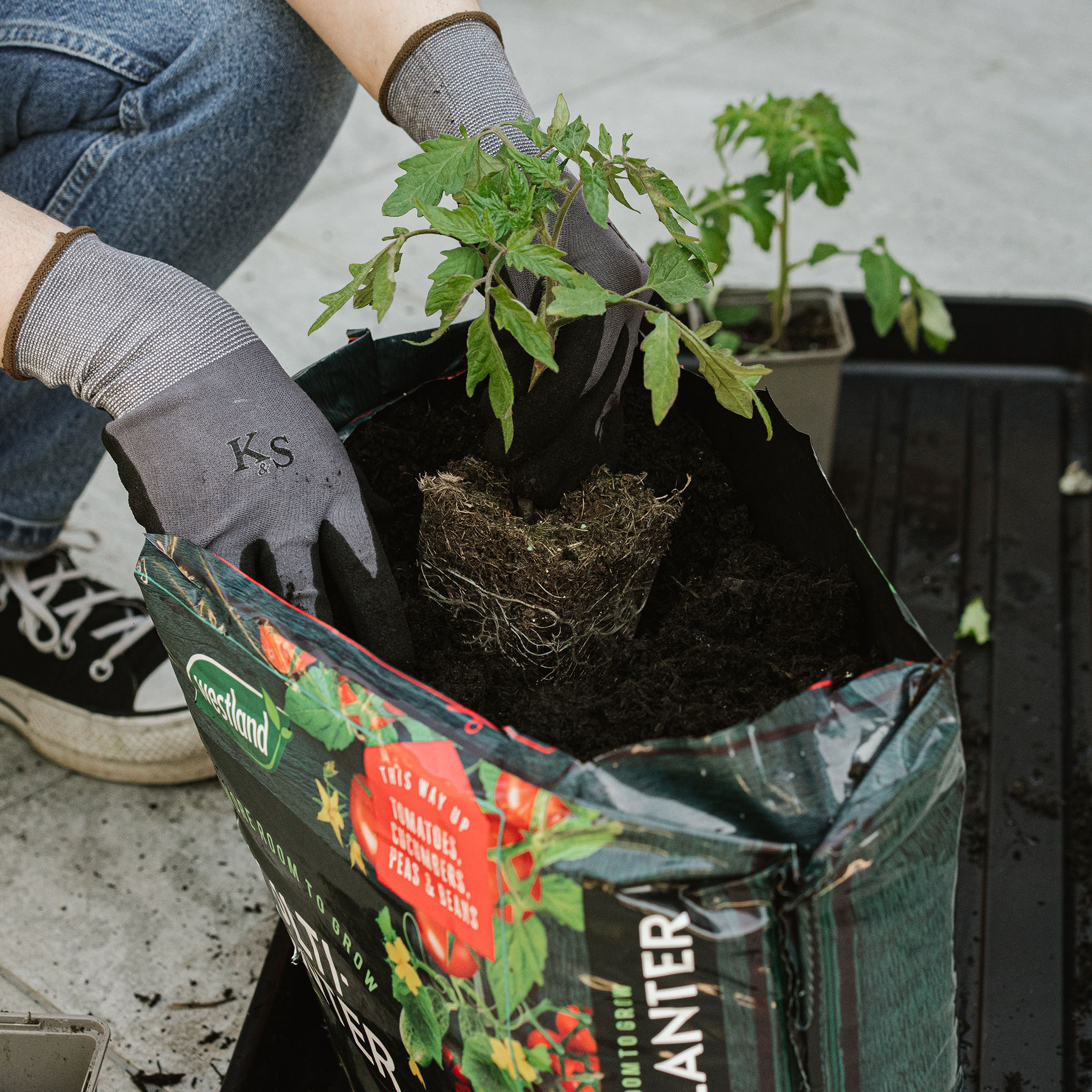
- Plant tomatoes deeply, burying part of the stem
- Space plants to allow good airflow
- Use rich, well-draining soil such as the Big Tom Tomato Planter or the Westland Multi-Planter
- Add supports (canes, cages, or stakes) at planting time
Strong support from the start prevents damage later in the season when plants become heavy with fruit.
Supporting and Training Tomato Plants
Tomatoes need consistent support as they grow.
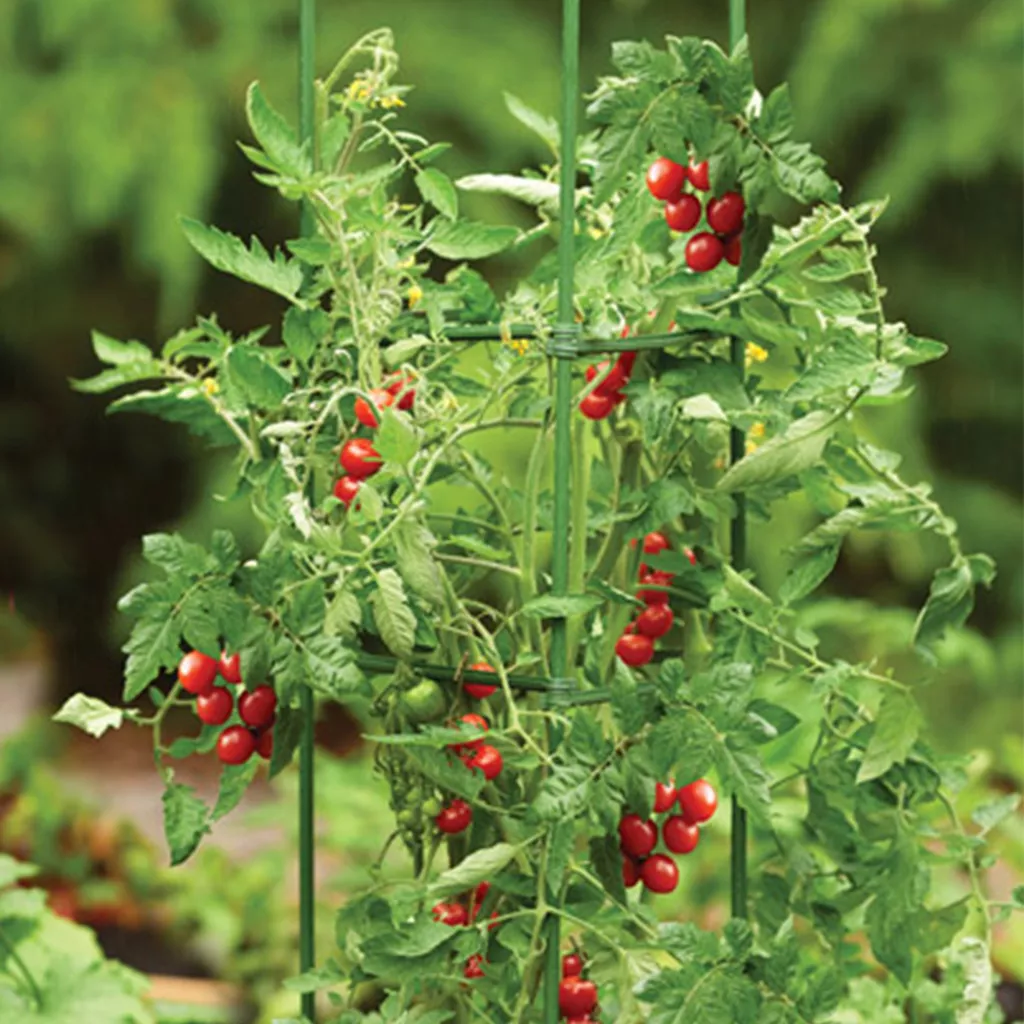
- Tie stems to canes or supports regularly, or use a tomato cage support
- Train cordon varieties to a single main stem
- Remove side shoots (pinching out) to direct energy into fruit production
Good training improves airflow, reduces disease risk, and increases yields.
How to Water Tomato Plants
Consistent watering is essential for healthy tomato growth.
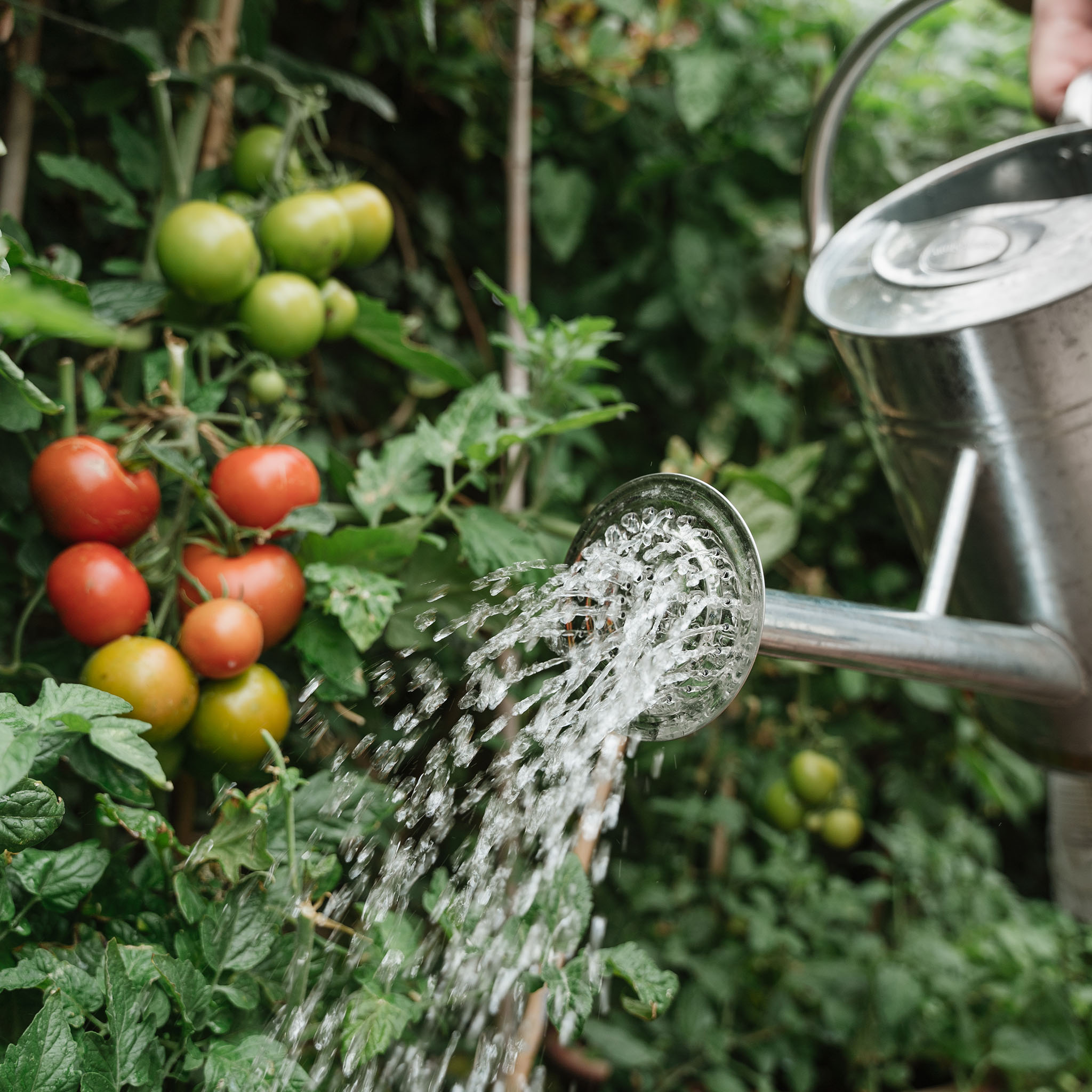
- Keep soil or compost evenly moist
- Water at the base of the plant, not on the leaves
- Avoid irregular watering, which can cause fruit splitting or blossom end rot
- Container-grown tomatoes may need watering daily in hot weather
Stable moisture levels help prevent stress and improve fruit quality.
Feeding Tomato Plants for Better Yields
Tomatoes are heavy feeders, especially once they start flowering.
- Feed when the first flower truss has set for indoor crops, and when the second truss has set for outdoor crops
- Use a high-potassium tomato feed like Westland Big Tom to give you 3 x more*, bigger, healthier, and tastier tomatoes, all season long
- Feed every 10–14 days during the growing season
- Container-grown plants may need more frequent feeding
Regular feeding helps produce:
- Larger crops
- Better flavour
- Stronger, healthier plants
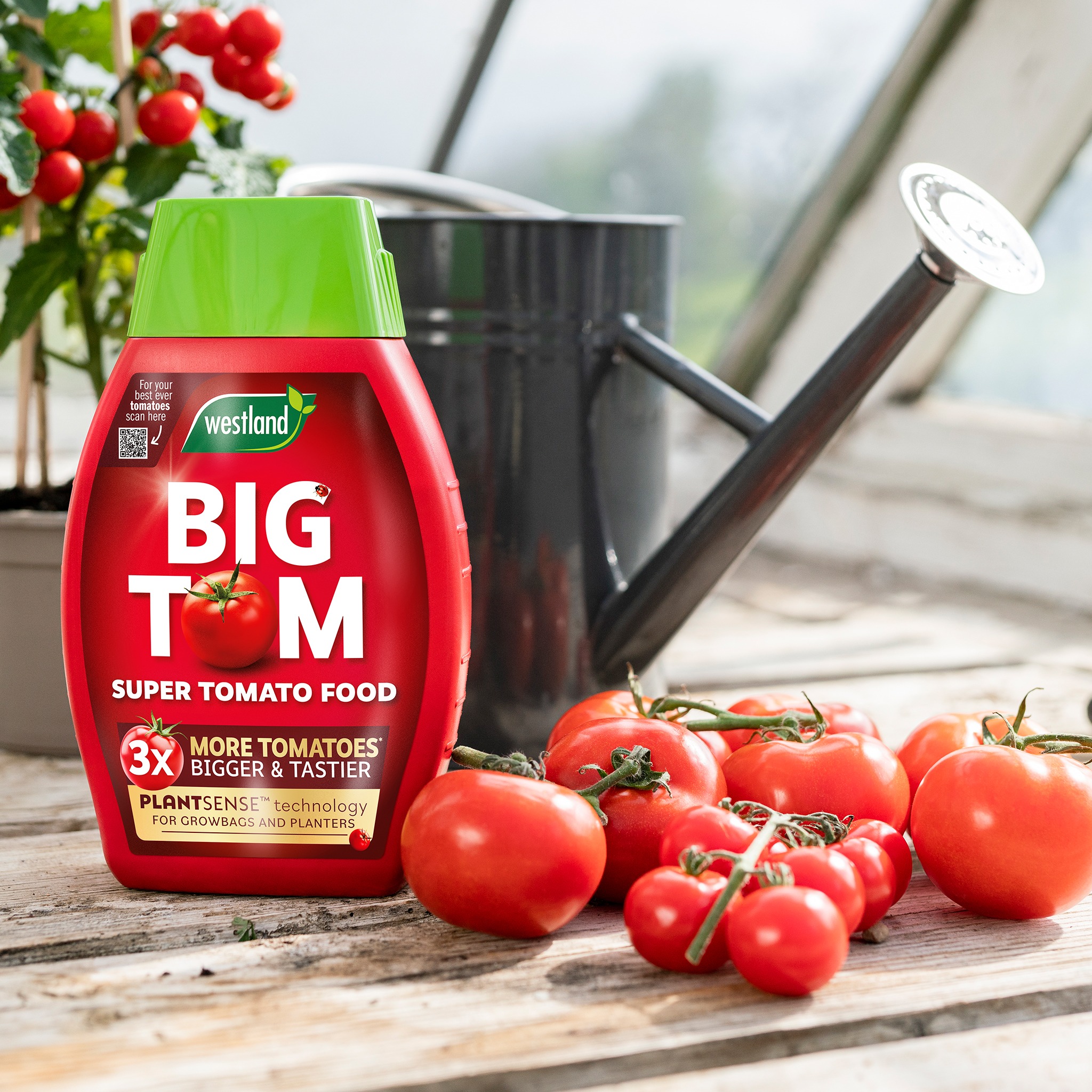
*By weight vs unfed tomato plants
Common Tomato Pests and Problems
Tomato plants can be affected by several pests and diseases, especially in warm, humid conditions.
Common tomato pests
- Aphids
- Whitefly
- Sap-sucking insects that weaken plant growth
These pests can reduce plant vigour and crop yield if not controlled early.
Common tomato diseases
- Blight (the most serious tomato disease)
- Powdery mildew
- Grey mould (botrytis)
- Blossom end rot
Blight spreads quickly in wet weather, making prevention essential.
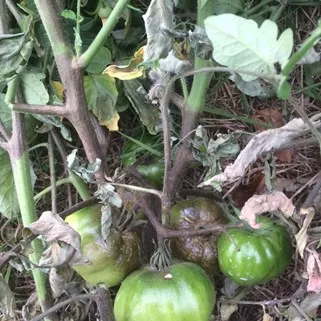
How to Grow and Protect Tomatoes from Pests and Disease
Prevention is key to healthy tomato plants.
Follow these best practices:
- Grow in a sunny, well-ventilated position
- Avoid overhead watering
- Remove lower leaves close to the soil
- Space plants properly to improve airflow
- Remove diseased leaves immediately
- Rotate crops each year to reduce soil-borne disease
These steps significantly reduce the risk of blight and other fungal issues.
Pruning Tomato Plants
Regular pruning keeps plants productive and healthy:
- Remove yellowing or damaged leaves
- Pinch out side shoots on cordon varieties
- Maintain airflow around the plant
Pruning helps direct energy into fruit production and improves ripening.
When to Harvest Tomatoes
Tomatoes are ready to harvest when they are:
- Fully coloured
- Slightly soft to the touch
- Easy to pick from the vine
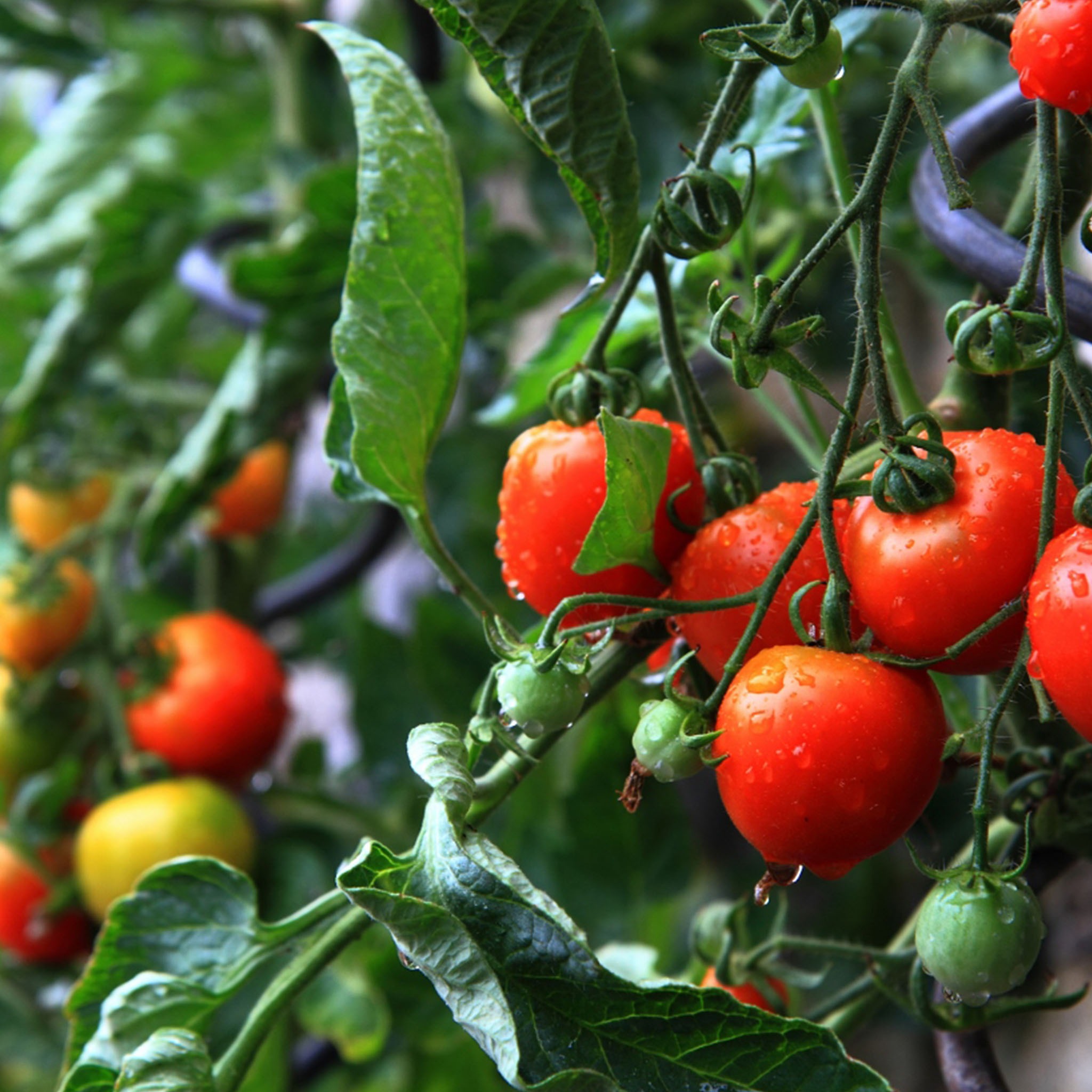
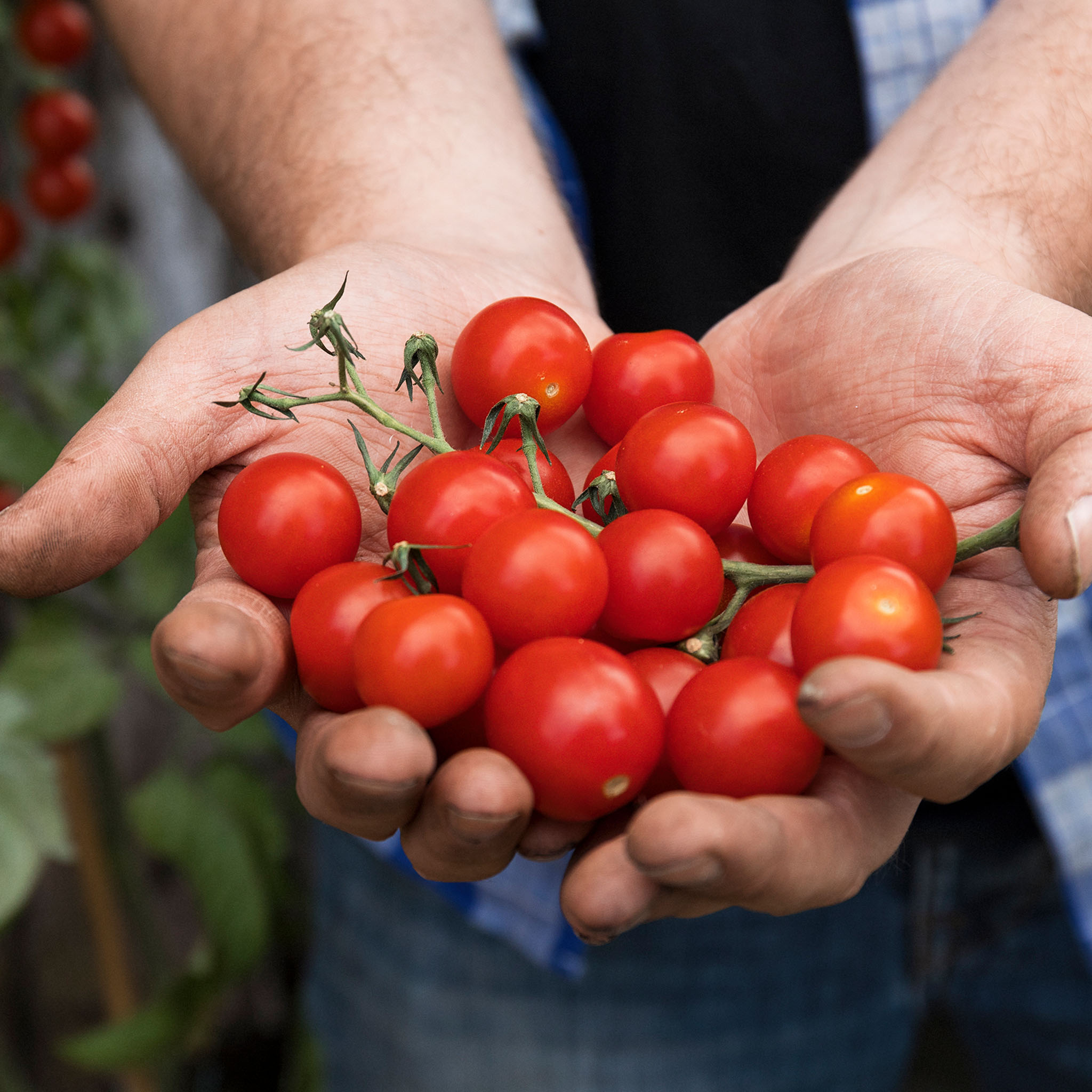
One of life’s joys is eating a sun-warmed tomato fresh from the vine, but this isn’t always practical. Once a tomato has reached peak ripeness, it’s all downhill! Turn your back for a few hours, and the skin has split – or worse yet, a squirrel has got there first. Luckily, tomatoes are fine to be harvested when they’re not completely ripe. This is called the ‘breaker’ stage, when tomatoes are around half green and half red. Pick individually if they’re a larger variety, or snip the whole stem if they’re smaller.
They can continue their ripening process indoors on a sunny windowsill. Don’t worry, this won’t affect their flavour or nutritional value. You can slow down the ripening process by storing them at 12 degrees C. They will be held in stasis, neither ripening nor becoming damaged by cold. If you want to speed the ripening process up, the optimum temperature is 30 degrees (a hot summer’s day).
Harvest regularly to encourage continuous production.
Growing Healthy Tomato Plants
To grow strong, productive tomato plants:
- Choose the right variety for your space
- Plant in a sunny, sheltered position
- Water consistently and avoid stress
- Feed regularly with a tomato fertiliser
- Support and prune plants properly
- Protect against pests and diseases early
With the right care, tomato plants will reward you with a long season of fresh, homegrown fruit.