Sowing a new lawn is one of the best ways to create a healthy, green garden space from scratch. Whether you’re starting a lawn from bare soil or repairing an existing area, knowing how to sow a lawn correctly makes all the difference to the final result. From choosing the right lawn seed to preparing the ground and aftercare, this guide covers everything you need to know to successfully sow a new lawn and achieve strong, even grass growth.
Choosing your Lawn Seed
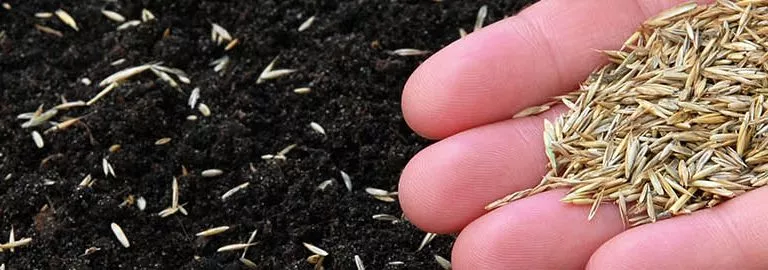
Choosing the right type of lawn seed is key to getting the results you want. Westland offers a variety of options to suit different needs, whether you’re looking for a hard-wearing lawn for high traffic areas, a premium, luxury lawn for a formal garden, or a fast-establishing mix for quick coverage. Selecting the right blend ensures your grass grows strong, healthy, and evenly, giving you a lawn you can enjoy year-round.
By picking the right seed for your garden, you can create a lush, durable lawn that thrives in your specific environment, making maintenance easier and your outdoor space more inviting.
Browse our lawn seed range to choose the right one for you.

When to Sow a New Lawn
Depending on weather conditions, sow in the spring from April to May, or in early autumn, from mid-September to mid-October.
Sowing Seed in Spring
Ideally, sow when the soil temperature is 10-18°C, but with specialist lawn seed, the soil temperature can start at 7°C. If it is too cold, the seed will remain dormant until warmer weather. Overseeding lawns is vital to help thicken and reduce competition from weeds and moss.
Sowing Seeds in Summer
Sowing seeds in summer will require frequent watering to ensure they establish. Water is absorbed rather than evaporated in the morning and evening as it is cooler, so the water is absorbed rather than evaporated.
Sowing Seed in Autumn
Autumn is the best time for sowing seed, as the soil is still warm from the summer, there is less competition from weeds, and there is usually plenty of rain.
Watch our helpful video on how to sow a new lawn…
How to Sow a New Lawn
Step one
Clear the area
- Good soil preparation is key to establishing a new lawn.
- Prepare the soil by clearing away any weeds and existing plants to reveal bare soil. A great tool is an Oscillating Hoe, which is perfect for weeding in soil with its double-edge blade.
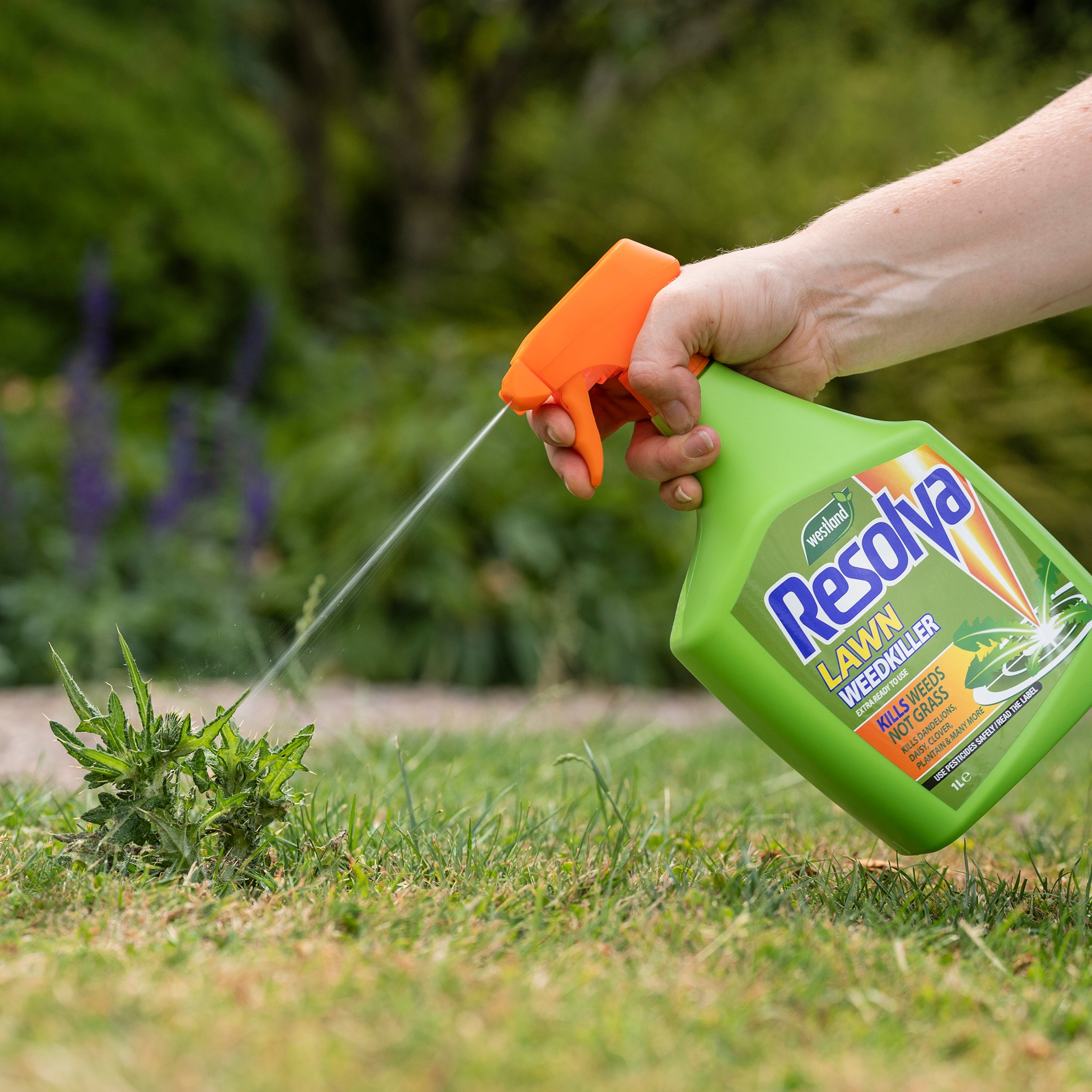
- If using a weedkiller, such as Resolva, read the manufacturer’s instructions to know how much time you need to wait before sowing your new lawn.
Step two
Prepare the ground
- Dig over the soil, breaking down any lumps and removing stones and roots.
- To get a firm surface, walk over the ground to tread it down. You can also use a roller for larger areas to save time.
- Getting the level right is critical. To do this, rake the area in different directions, making sure you cover the whole area.
- After levelling the ground, add a layer of 3-4cm of Westland Lawn Seeding Soil, which gives seeds the right conditions for germination. Level again with the rake to produce a fine crumble texture.
- Divide large areas into smaller square metre sections with a cane if you want to be more accurate.

Step three
Sowing your lawn seed
- Now the area is ready to sow.
- First, shake the lawn seed box to mix up the contents.
- Sprinkle the lawn seed in 2 passes at right angles to each other, to help the seed spread more uniformly. Check the packaging instructions for the recommended rate of application.
- Once this process is finished, lightly rake the surface to incorporate the seed into the soil.
- Finally, press the seed into the soil by walking over the entire area. You can use a light roller for larger areas.
- Water thoroughly to start the seed germinating. Use a fine-spray watering can or sprinkler, taking care not to wash the seeds away to create puddles.

Step four
Looking after your new lawn
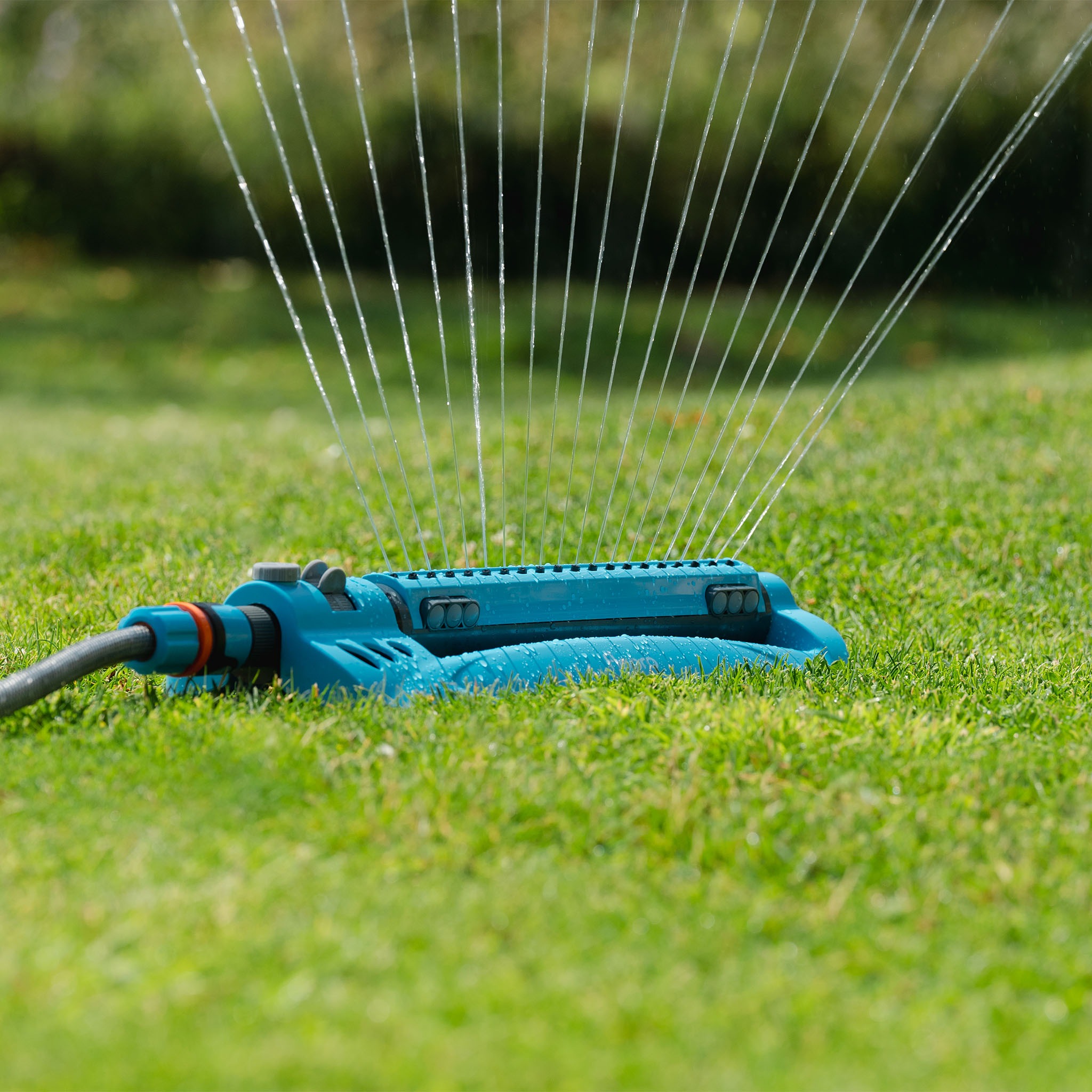
- Water daily until established, usually this takes between 1 and 2 weeks. A sprinkler is a great way to easily water large grass areas evenly.
- In very hot conditions, water is available late in the day once the sun has gone down.
- Mow for the first time with the highest setting when the grass is 5-8cm long. Make sure the grass is dry.